
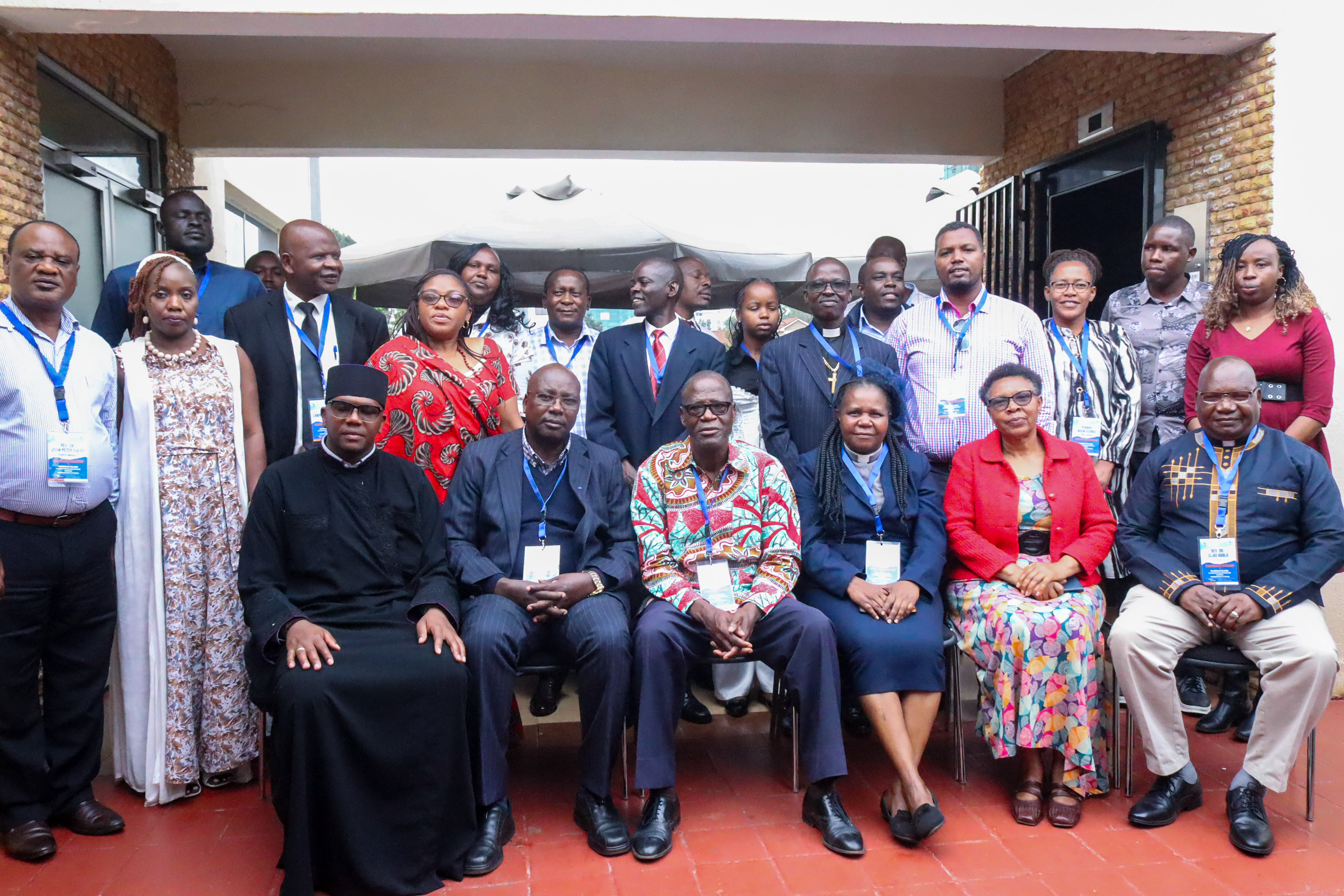
PROCMURA Convenes ICMR Stakeholders for Reflection, Learning and Collaboration on Advancing Constructive Christian–Muslim Relations Across Africa
- By PROCMURA
- Events
- Hits: 115
Christianity and Islam continue to shape the religious, social, and cultural landscape of Africa in profound ways. Together, they constitute the continent's two largest faith communities, with millions of Christians and Muslims living, working, studying, and raising families alongside one another every day. Consequently, the quality of relations between these communities often influences broader patterns of coexistence, social cohesion, and peace among the diverse religious communities across African societies.
At the same time, these relationships continue to be shaped by a range of realities, including historical experiences, emerging social trends, religious extremism, misinformation, political dynamics, and changing community contexts. For churches seeking to fulfil their mission within increasingly religiously pluralistic societies faithfully, understanding these realities has become increasingly important. It was against this backdrop that we recently convened a three-day stakeholders' workshop that brought together church leaders, theologians, scholars, and practitioners to reflect on a wide range of issues in Christian–Muslim Relations (CMR) and their implications for Christian witness in contemporary Africa.
The workshop brought together participants from churches, theological institutions, and academia, creating a platform for learning, reflection, and exchange of experiences. Among the institutions represented were St. Paul's University, Limuru, and Africa International University (AIU), as well as other church and faith-based organisations engaged in theological education, research, and interreligious engagement. Throughout the workshop, participants examined the historical foundations of Christian–Muslim relations and how centuries of interaction between the two communities continue to shape present-day realities across Africa. Discussions explored both the opportunities and challenges emerging from these interactions, while highlighting the importance of informed engagement in contexts where Christians and Muslims increasingly share common social, economic, and civic spaces.
The engagement also provided an opportunity to examine emerging trends in Christian–Muslim relations across the continent. Participants reflected on how global developments, technological advancement, migration, urbanisation, changing demographics, and the rapid spread of information continue to influence perceptions, attitudes, and interactions between faith communities. Particular attention was given to the place of interreligious studies within Christian mission.
The stakeholders explored the role of theological institutions in preparing church leaders to engage effectively within religiously diverse environments, noting that churches today require leaders who are not only grounded in theology but are also equipped to understand and navigate complex interreligious realities. The discussions further highlighted the contribution of Christian–Muslim relations to peacebuilding and social stability. Participants reflected on practical approaches to strengthening peaceful coexistence, addressing harmful stereotypes, countering misinformation, and building relationships rooted in mutual respect and understanding. As conversations progressed, a recurring theme emerged around the need for informed leadership within churches and theological institutions. Participants acknowledged that effective Christian witness in contemporary Africa requires leaders who can engage thoughtfully with religious diversity while remaining faithful to the mission and values of the Church.
The workshop also underscored the importance of partnerships between churches, theological institutions, scholars, and practitioners in addressing the realities facing religious communities today. Participants noted that no single institution can adequately respond to the opportunities and challenges presented by Africa's religiously pluralistic context without collaboration and shared learning. For more than six decades, PROCMURA has remained committed to supporting churches across Africa in understanding and engaging constructively with Muslim communities. Through training, research, dialogue, and capacity-building initiatives, we continue to equip church leaders, theological institutions, women, youth, and communities with the knowledge and tools necessary to navigate interreligious realities responsibly.
As Africa's religious landscape continues to evolve, the need for informed reflection, responsible leadership, and meaningful engagement remains as important as ever. The workshop reaffirmed the value of investing in spaces where church leaders, scholars, and practitioners can come together to learn from one another, deepen their understanding, and strengthen their capacity to contribute to peaceful, inclusive, and cohesive societies. By bringing together diverse voices and experiences, the engagement served as a reminder that constructive Christian–Muslim relations remain an important part of building communities where people of different faiths can live together with dignity, mutual respect, and a shared commitment to the common good.